

Classic and Contemporary Authors – a Review
Introduction Science fiction has always been a fascinating genre, taking readers on incredible journeys through time, space, and alternate universes. From classic works by authors like Jules Verne and H.G. Wells to contemporary authors like N.K. Jemisin and Andy Weir, the genre continues to evolve […]
Sci-Fi literature and moviesIntroduction
Science fiction has always been a fascinating genre, taking readers on incredible journeys through time, space, and alternate universes. From classic works by authors like Jules Verne and H.G. Wells to contemporary authors like N.K. Jemisin and Andy Weir, the genre continues to evolve and captivate readers around the world.
In this review of Sci-Fi literature, we’ll take a closer look at the works of classic and contemporary authors who have made significant contributions to the genre. From dystopian futures to interstellar adventures, we’ll explore the many worlds of science fiction and discover what makes these works so compelling.
Classic Authors
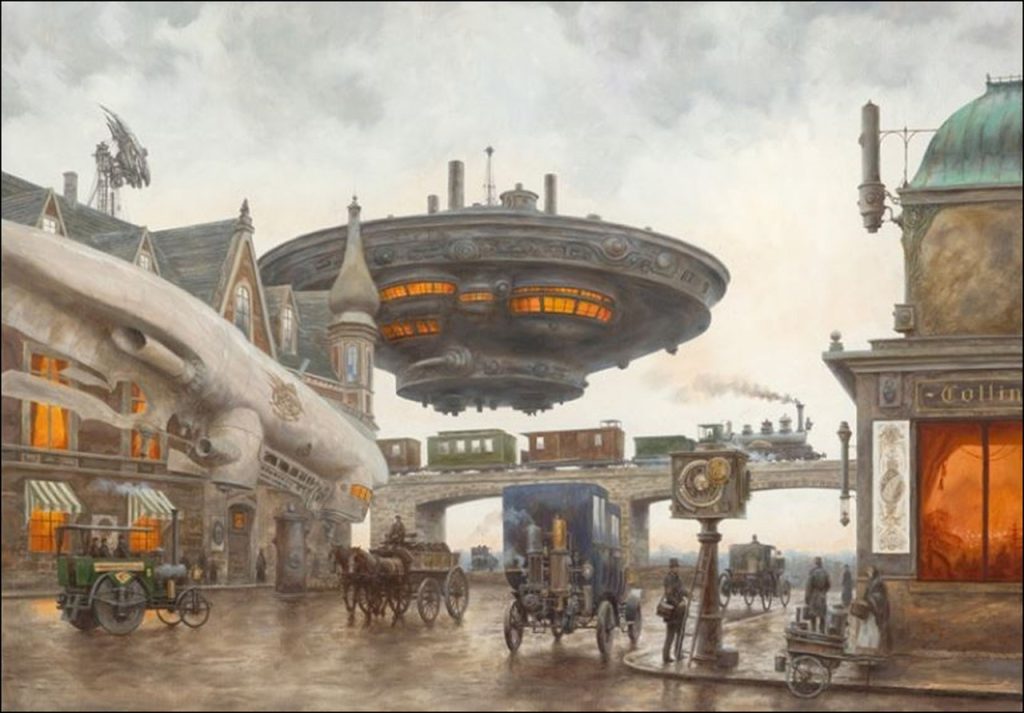
Some of the earliest works of science fiction were penned by authors who are now considered classics. These writers explored concepts and themes that were groundbreaking for their time and continue to be influential today. Let’s take a look at some of these classic authors and their works:
Jules Verne
Jules Verne is often called the “father of science fiction.” His works, which include “Twenty Thousand Leagues Under the Sea” and “Journey to the Center of the Earth,” were groundbreaking for their depictions of futuristic technology and adventure.
Verne’s works often explored the boundaries of what was scientifically possible, inspiring generations of readers and writers to imagine the impossible.
H.G. Wells
H.G. Wells is another classic author whose works have had a lasting impact on the science fiction genre. His novel “The War of the Worlds” is a classic tale of alien invasion, while “The Time Machine” explores the concept of time travel.
Wells’ works often tackled political and social issues, using science fiction as a means to comment on the world around him.
Contemporary Authors
While classic authors laid the foundation for the science fiction genre, contemporary authors continue to push the boundaries and explore new ideas. Let’s take a look at some of the most influential contemporary authors and their works:
N.K. Jemisin
N.K. Jemisin is a Hugo and Nebula award-winning author whose works explore themes of race, power, and oppression. Her “Broken Earth” trilogy, which includes “The Fifth Season,” “The Obelisk Gate,” and “The Stone Sky,” is a stunning example of her ability to blend complex world-building with powerful social commentary.
Jemisin’s works challenge readers to think critically about our own world while taking them on a thrilling journey through her fictional universes.
Andy Weir
Andy Weir’s “The Martian” is a modern classic that tells the story of an astronaut stranded on Mars. Weir’s attention to scientific detail and his ability to create compelling characters made “The Martian” an instant hit with readers and led to a successful film adaptation.
Weir’s works often explore the boundaries of what is scientifically possible while keeping readers on the edge of their seats.
Conclusion
Science fiction literature continues to be a rich and diverse genre, with classic and contemporary authors alike exploring the many worlds of the imagination. From Jules Verne to N.K. Jemisin, these authors have inspired generations of readers to explore the boundaries of what is possible and to imagine the impossible.
Whether you’re a lifelong science fiction fan or a newcomer to the genre, there is something for everyone in the works of classic and contemporary Science Fiction authors. From dystopian futures to epic space operas, there are countless worlds and adventures to explore.
In the end, the review of Sci-Fi literature: classic and contemporary authors reminds us that science fiction is not just about spaceships and robots, but also about exploring the human experience and the world around us. These authors use science fiction as a way to ask important questions and to challenge readers to think critically about the world we live in.
So, whether you’re looking to escape into a new world or to grapple with complex social issues, there is no shortage of great science fiction literature to explore. The works of classic and contemporary authors offer a vast universe of possibilities for those willing to take the journey.