

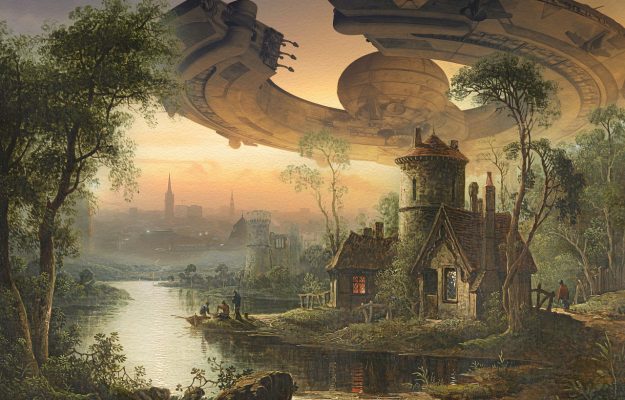


10 Best Mind-Bending Sci-Fi Movies Based on Books
Are you ready to have your mind blown? Look no further than these 10 incredible movies based on Sci-Fi books. From time-traveling adventures to dystopian societies, these films will have you questioning the nature of reality itself. Get ready for a wild ride through the […]
Sci-Fi literature and moviesAre you ready to have your mind blown? Look no further than these 10 incredible movies based on Sci-Fi books. From time-traveling adventures to dystopian societies, these films will have you questioning the nature of reality itself. Get ready for a wild ride through the depths of your own imagination.
1. Blade Runner (1982)
Based on the novel “Do Androids Dream of Electric Sheep?” by Philip K. Dick, “Blade Runner” is a classic Sci-Fi film that explores what it means to be human. With stunning visuals and a haunting soundtrack, this movie is a must-see for any Sci-Fi fan.
Key points:
- Themes of what it means to be human
- Stunning visuals and a haunting soundtrack
- Based on the novel “Do Androids Dream of Electric Sheep?” by Philip K. Dick
2. Arrival (2016)
Based on the short story “Story of Your Life” by Ted Chiang, “Arrival” tells the story of a linguist tasked with communicating with extraterrestrial beings who have landed on Earth. With a unique take on the concept of time and language, this movie is sure to leave you contemplating the mysteries of the universe.
Key points:
- A unique take on time and language
- Based on the short story “Story of Your Life” by Ted Chiang
- Mysterious and thought-provoking
3. Inception (2010)
Christopher Nolan’s “Inception” is a mind-bending thriller about a group of thieves who enter people’s dreams to steal their secrets. With a talented cast led by Leonardo DiCaprio, this film will leave you questioning the nature of reality long after the credits have rolled.
Key points:
- A mind-bending thriller
- Talented cast led by Leonardo DiCaprio
- Questions the nature of reality
4. The Matrix (1999)
“The Matrix” is a Sci-Fi classic that introduced the world to the concept of a simulated reality. With groundbreaking special effects and a gripping storyline, this film has earned its place in the Sci-Fi canon.
Key points:
- Groundbreaking special effects
- Gripping storyline
- Introduces the concept of a simulated reality
5. Minority Report (2002)
“Minority Report” is a futuristic thriller based on a short story by Philip K. Dick. With a unique take on the concept of free will and predestination, this film is a thought-provoking exploration of the human condition.
Key points:
- Futuristic thriller
- Based on a short story by Philip K. Dick
- Explores the concept of free will and predestination
6. The War of the Worlds (1953)
Based on the novel by H.G. Wells, “The War of the Worlds” is a classic Sci-Fi film that tells the story of a Martian invasion of Earth. With groundbreaking special effects and a suspenseful storyline, this movie remains a must-see for any Sci-Fi fan.
Key points:
- Based on the novel by H.G. Wells
- Groundbreaking special effects
- Suspenseful storyline
7. 2001: A Space Odyssey (1968)
“2001: A Space Odyssey” is a masterpiece of Sci-Fi filmmaking, directed by Stanley Kubrick and based on the novel by Arthur C. Clarke. With stunning visuals and a philosophical storyline, this movie is a true work of art.
Key points:
- Directed by Stanley Kubrick
- Based on the novel by Arthur C. Clarke
- Stunning visuals and a philosophical storyline
8. The Hitchhiker’s Guide to the Galaxy (2005)
Based on the novel by Douglas Adams, “The Hitchhiker’s Guide to the Galaxy” is a hilarious and irreverent take on Sci-Fi tropes. With a talented cast that includes Martin Freeman and Zooey Deschanel, this film is a delightful romp through the galaxy.
Key points:
- Hilarious and irreverent take on Sci-Fi
- Based on the novel by Douglas Adams
- Talented cast including Martin Freeman and Zooey Deschanel
9. Cloud Atlas (2012)

Based on the novel by David Mitchell, “Cloud Atlas” weaves together six different storylines spanning multiple eras and genres. With a talented cast that includes Tom Hanks and Halle Berry, this film is a true feat of storytelling.
Key points:
- Weaves together six different storylines
- Based on the novel by David Mitchell
- Talented cast including Tom Hanks and Halle Berry
10. A Scanner Darkly (2006)
Based on the novel by Philip K. Dick, “A Scanner Darkly” is a trippy Sci-Fi film that explores the nature of identity and reality. With a unique animation style that blends live-action footage with rotoscope animation, this movie is a visual feast.
Key points:
- Trippy Sci-Fi film that explores identity and reality
- Based on the novel by Philip K. Dick
- Unique animation style that blends live-action footage with rotoscope animation
Conclusion
These 10 mind-bending movies based on Sci-Fi books are sure to take you on a journey through the furthest reaches of your imagination. From dystopian societies to simulated realities, these films explore some of the most fascinating concepts in the Sci-Fi genre. So grab some popcorn and get ready to have your mind blown!